The Life Cycle of a Succulent: From Seed to Bloom
Succulents are one of the easiest plants to care for. They don’t need a lot of water and they come in a variety of shapes, sizes, and even colors. But what happens when your succulent reaches the end of its life cycle? And how do you care for it so that it survives for longer?
This article will tell you everything you need to know about the succulent life cycle and caring for them right until the end!
What Is A Succulent And What Are Its Defining Characteristics?
A succulent is a type of plant with thick, fleshy leaves or stems that are adapted to store water. They are found in dry, arid climates and can either be native to these areas or well-adapted to them and are able to spread their roots over large areas in order to absorb more water.
There are many different species of succulents though they do have different characteristics.
Anatomy Of A Succulent vs Cactus
Let’s have a quick look at how these two differ.
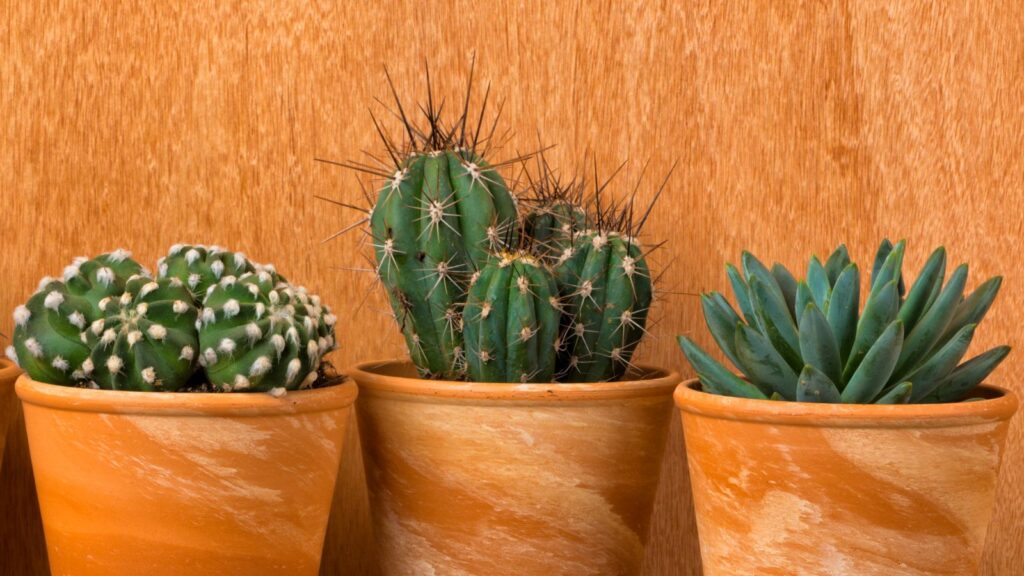
A cactus has:
- A stem
- Spines
- Ribs
- Areoles – this is what makes a cactus different
While Succulents have:
- A stem
- Leaves
- Stalks
- Flowers
Succulents have evolved a variety of specialized features to help them survive in harsh conditions, such as the ability to store water in their tissues, reduced leaf surface areas to minimize water loss, and thick cuticles to prevent evaporation.
They are also popular houseplants due to their low maintenance requirements and rather striking appearance and can be grown in pots or containers while requiring sporadic watering.
Many people also enjoy the ease of propagating succulents by taking cuttings from existing plants – I recently had to do this after one of mine was knocked over by the wind and damaged!
Whether you are looking for a low-maintenance plant for your home or a drought-tolerant plant for your garden, succulents are an excellent choice.
Types of Succulents
We know that succulents and cacti are often grouped together, but what are the different types? Here’s an overview of the three more popular succulent types:
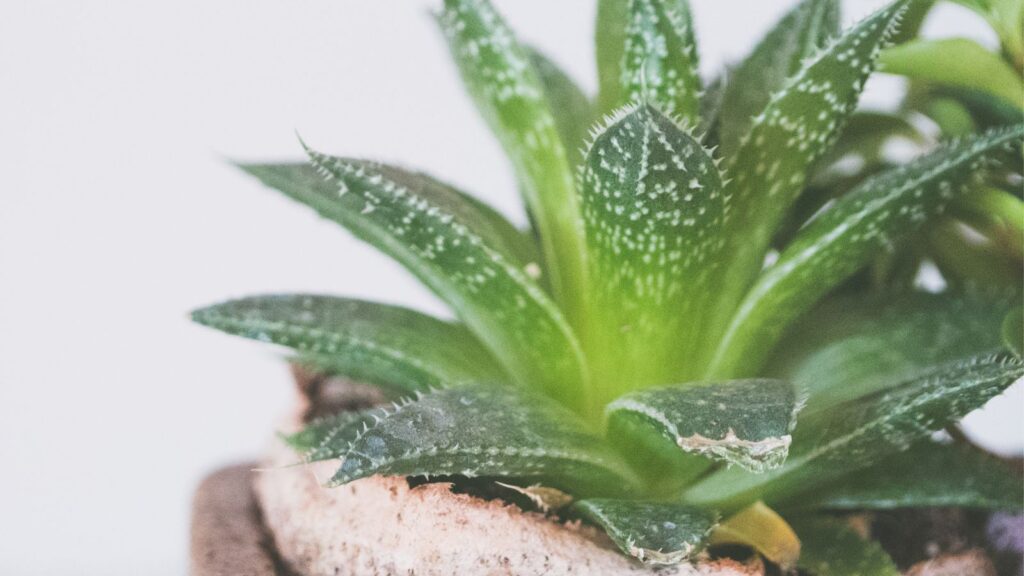
- Aloe – need plenty of sunlight and well-drained soil in order to thrive
- Cacti – often spiny and have thick stems for storing water
- Sedum – tend to have leaves that are fleshy and plump
How Do You Care For Succulents?
Succulents are relatively easy to care for. When it comes to watering, they should ideally be allowed to dry out completely between watering. This can vary depending on the plant, but as a general rule, succulents should be watered every one to two weeks during their growing season, or when the top of their soil is dry.
Make sure to not get water on the leaves and stems as this can cause damage.
In terms of soil, succulents need a well-draining potting mix that contains sand or grit. This helps to prevent the roots being waterlogged and rotting.
Something else to note…
Have you wondered how long succulents can live without soil?
Finally, succulents need bright light, but they should be protected from direct sunlight, which can scorch the leaves.
The Life Cycle Of A Succulent
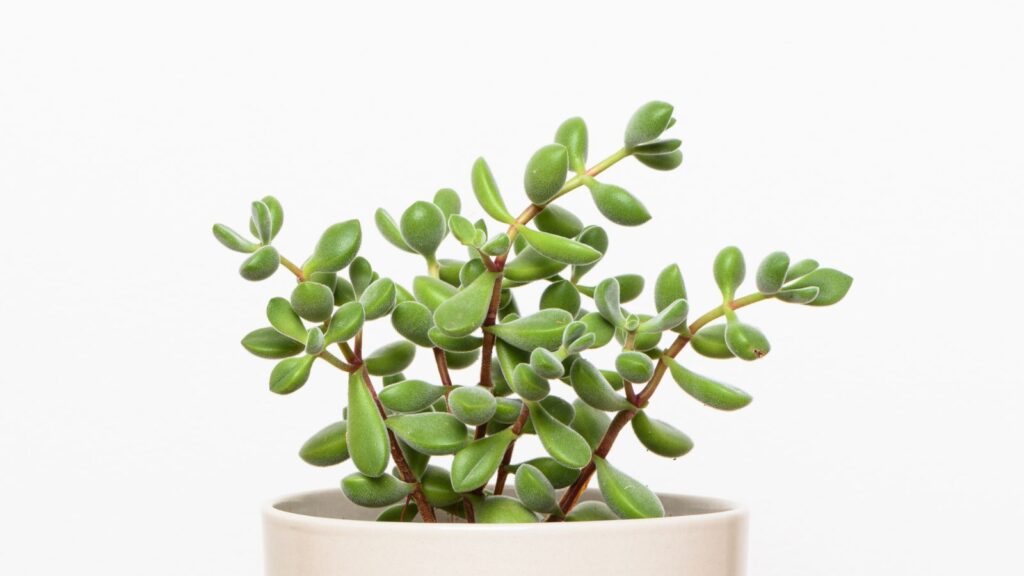
While they come in a wide range of shapes and sizes, all succulents follow the same basic life cycle.
Germination
They start off as seeds – I advise against trying to grow your own succulents from seeds as apparently it can take anywhere from a few weeks to over a year for seed germination to happen! – and grow into little seedlings or ‘chicks’.
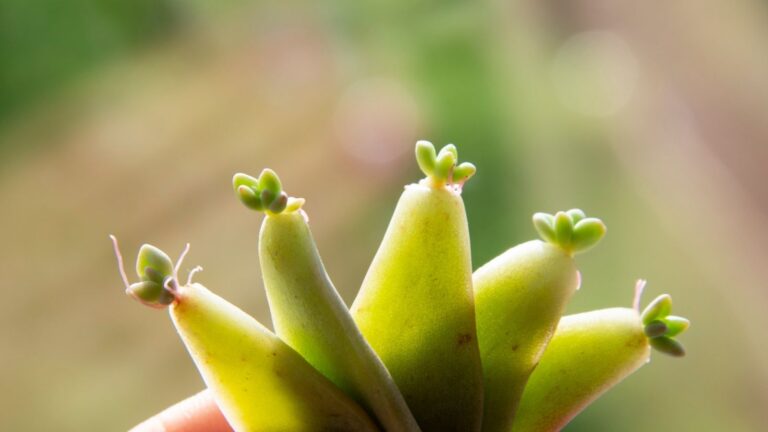
Baby Succulent Plant
With care your seedling will grow into a baby plant, and will require lots of nurturing and care for some months. Once they have grown big enough to transplant into pots, they will be a little less time intensive.
Young Plant
Your baby succulent plant has been transplanted and is now a young plant which will continue growing through the seasons.
During the spring and summer months, they will actively grow and produce new leaves but in the fall, succulents usually enter a period of dormancy, which is when they may lose some of their leaves.
Finally, during the winter months, most succulents will go dormant and remain relatively inactive. However, some succulents will bloom during this time, producing colorful flowers that brighten up the winter landscape.
Flowing Plant
If your succulent blooms it may supply seeds, so the process can be started again, but as I stated above, propagating succulents is a much easier way to move your succulent into its ‘parent plant’ tie of life.
Dying Plant
Finally, if your succulent is not cared for or becomes very old and withered, it will die and decompose into the soil. Sad times, but you can keep your succulents as healthy as possible by following some of the guidance below.
Something else to note…
Succulents can live longer than you think!
Propagating Succulents

Propagating a succulent is a simple and rewarding process – that is a lot faster and more reliable than starting from seed – and with just a little bit of care, you can create a whole new plant from a single leaf or stem of the parent plant.
The first step is to choose a healthy section of the plant to propagate. Then, using a sharp knife or pair of scissors, carefully remove the chosen section from the main plant. Next, it’s time to prepare the potting mix.
For succulents, it’s important to use a well-draining soil mix with some sand that will prevent the roots from rotting. Once the pot is prepared, it’s time to plant the cutting.
Gently insert it into the mix, making sure that the leaves are above the soil line. Finally, water lightly and place in a bright spot out of direct sunlight.
With just a little bit of patience, your newly propagated succulent will soon take root and begin to grow!
Flowering Succulents
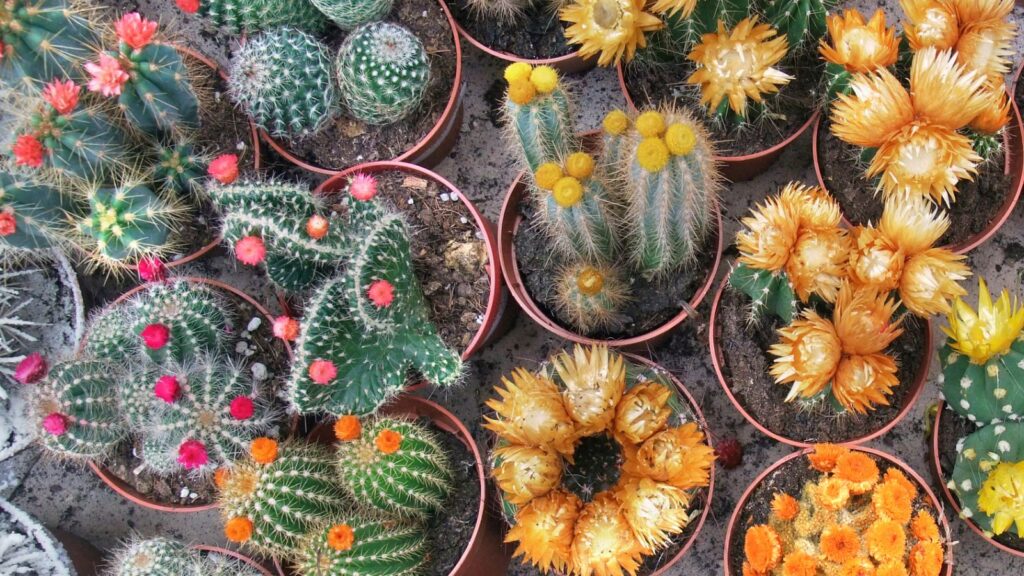
Flowering succulents come in a wide variety of shapes and sizes, and each one has a unique flower. Some of the most popular blooming succulents include baby sun rose, glaucous echeveria, the ‘golden rats tail’, chin cactus, and the Christmas cactus. Each of these plants produces beautiful flowers that range in color from white to pink to yellow to purple, and often they start to flower in late summer.
In addition to their eye-catching blooms, succulents are known for being low-maintenance and easy-to-care-for plants. As a result, they make an ideal choice for those who want to add a splash of color to their home without having to worry about constant watering or expensive care.
Whether you are looking for a plant to add to your windowsill or your patio, or perhaps a hanging basket full, a blooming succulent will definitely brighten up your home.
When To Replant A Succulent
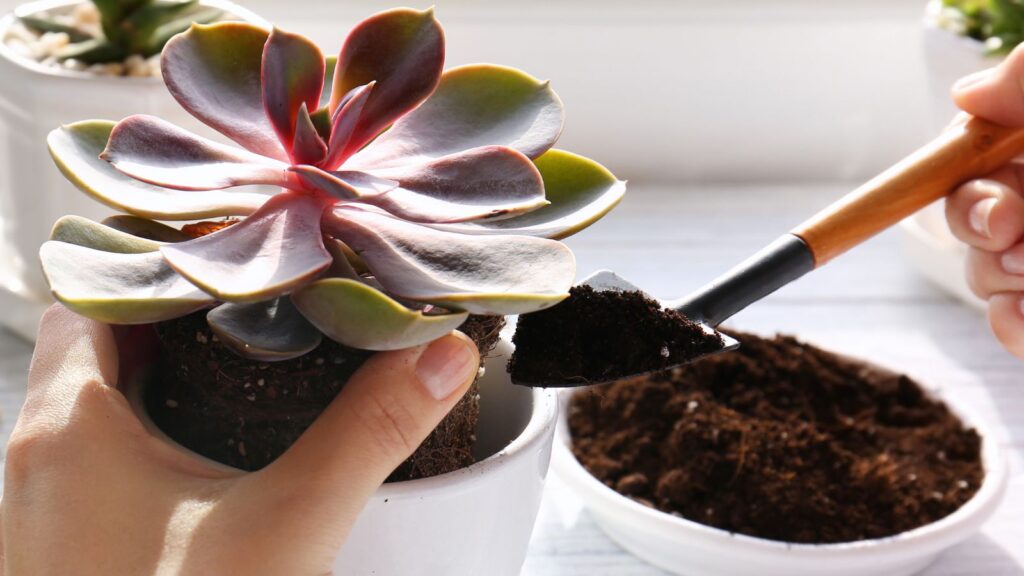
While they are relatively easy to care for, succulents can sometimes become overgrown or leggy, requiring replanting. When deciding whether or not to replant a succulent, there are a few things to consider.
First, take a look at the size of the pot. If the roots are crowded or the plant is struggling to stay upright, then it may be time for a new pot.
Another sign that it’s time to replant is if the plant is starting to produce new offsets or babies. These can be carefully removed and planted in their own pots.
Finally, succulents generally need to be repotted every one to two years in order to refresh the potting mix and encourage growth.
By following these guidelines, you can ensure that your succulent will stay healthy and happy for years to come. I know that I’ve had a collection of succulents I’ve been nurturing since early 2019 and I have yet to lose one. In fact, I am surprised each year when one suddenly starts flowing. it’s like magic!