
Best Cold Hardy Vegetables To Grow In Winter
Winter can be quite depressing for gardeners. It’s cold, dark and damp. Depending on where in the world you live, you may also suffer what feels like constant rain too. And yet, despite all the misery associated with winter months, there is a positive – being able to grow some vegetables throughout the winter months!
So today we’re going to look at the best cold hardy vegetables to grow in winter months so that we can all enjoy scoffing tasty home grown veggies in our stews, pies and more!
Are you in?
What Does ‘Cold Hardy’ Mean?
Let’s start by explaining what cold hardy even means. When we say cold hardy plants, we are talking about plants that can survive in normally extreme environmental conditions such as the biting cold and drought.
Cold hardy vegetables are known for their impressive constitution and resilience to thrive in situations that are deemed uninhabitable for most plants. A plant’s hardiness also varies; some can withstand your typical winter cold, while others can even survive in freezing temperatures.
What Is Meant By Hardiness Zone?
Each region in the U.S. is categorized into 13 different hardiness zones. For gardeners, this is a crucial detail to gather before beginning on your green journey, as the last thing you want is to plant a vegetable that is not suited for your region or zone. This particular factor is why the U.S. is divided into 13 different zones to help people know which plants are appropriate in their area.
The hardiness of the vegetable describes their ability to withstand and survive different temperatures. Therefore, knowing which plant can adapt to your region’s extreme temperature highs and lows will help narrow down your options and make significantly fewer mistakes.
Here is a quick rundown of the zones and what temperatures they usually dip into:
Zone 1 = -51.1 to -45.6 °C (-60 to -50 °F)
Growing season: April to September
Zone 2 = -45.6 to -40 °C (-50 to -40 °F)
Growing season: April to September
Zone 3 = -40 to -34.3 °C (-40 to -30 °F)
Growing season: April to October
Zone 4 = -34.4 to -28.9 °C (-30 to -20 °F)
Growing season: April to October
Zone 5 = -28.9 to – 23.2 °C (-20 to -10 °F)
Growing season: March to October
Zone 6 = -23.3 to -17.8 °C (-10 to 0 °F)
Growing season: March to October
Zone 7 = -17.8 to -12.2 °C (0 to 10 °F)
Growing season: March to November
Zone 8 = -12.2 to -6.7 °C (10 to 20 °F)
Growing season: March to November
Zone 9 = -6.7 to -1.1 °C (20 to 30 °F)
Growing season: February to November
Zone 10 = -1.1 to 4.4 °C (30 to 40 °F)
Growing season: February to November
Zone 11 = 4.4 to 10 °C (40 to 50 °F)
Growing season: All year round.
Zone 12 = 10 to 15.6 °C (50 to 60 °F)
Growing season: All year round.
Zone 13 = 15.6 to 21.1 °C (60 to 70 °F)
Growing season: All year round.
The zones start in North America and steadily make their way to the Southern part of the country. You can check what zone you are in here.
What Are The Best Cold Hardy Vegetables To Grow In Winter For Beginners?

Gardening may feel daunting for beginners in the warmer months, but in the winter it can feel more so. But no matter which season you start your gardening journey in, all plants will need care and maintenance to flourish.
A cold hardy veggie is – to me at least – gardening on easy mode. These vegetables are pretty straightforward to care for, and their resilience means they are low maintenance. Below are some of the best cold hardy vegetables for beginner gardeners.
Lettuce – This vegetable is straightforward to grow; a low-maintenance plant which takes up little space and produces a good harvest. Plus, it is a key ingredient in some of the most delicious salad recipes and is quite nutritious. In some cultures, lettuce is also cooked, so if you prefer yours on the warmer side for dinner, this one should definitely be on your list!
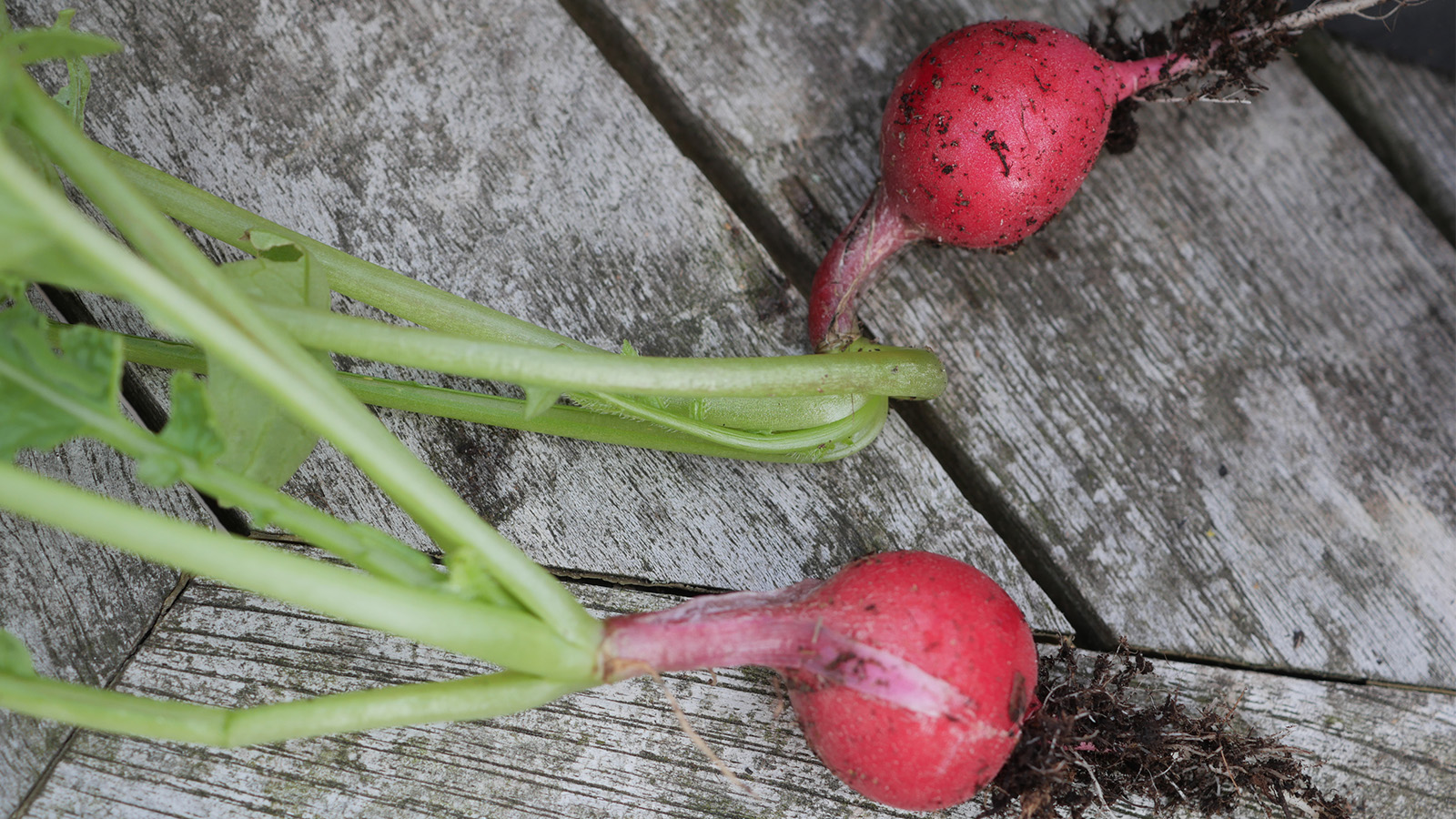
Radishes – Again, this veggie is easy to grow, and it packs a cavalcade of health benefits as it is rich in antioxidants and can help lower blood pressure. It’s important to note that during the summer months the cabbage white will try to devour your radish plants, so growing them in winter is a great way to actually eat some yourself!
Beets – Beetroot is easy to plant and grow from seed. It is also rich in nutrients such as beta-carotene and vitamin C and is a good source of antioxidants.
Carrots – An integral ingredient in most recipes, carrots are also relatively easy to grow due to their outstanding resilience. Carrots are also loaded with vitamins A and K, beta-carotene, calcium, and fiber. In all honesty, the best carrots are those that are sown in the spring when the ground is warmer and you’re eating them by early summer. But if space is no issue, growing them in the winter will keep your stews and soups bursting with autumn flavors!
Kale – This cold hardy green leafy vegetable is one of the most nutrient-rich vegetables around. Besides being easy to grow, the harvest season of kale is pretty fast, as it can mature within three months.
When Should I Plant My Winter Garden?
When putting together your lovely winter garden plans, the most crucial element in the equation is figuring out your zone and determining the plants that are compatible with that zone. Also, remember that winter crops are an extension of your fall crops, so you should consider planting both crops simultaneously if you have a fall garden.
As a rule of thumb, it is recommended to start planting seeds for your winter garden at least six to eight weeks before the first winter frost hits. You can find this out using several things; the quickest and easiest is simply researching online. Other ways to learn the average frost date in your area is by inquiring with other local gardeners.
Once you have determined the average first frost in your location, count back eight weeks (some even recommend as early as ten weeks!), and that will be your optimum date to start planting your cold hardy vegetables.
Where Should Cold Hardy Vegetables Be Grown?
Cold hardy vegetables can be planted in either containers / pots or garden beds. Of course, there are some considerable differences between the two, so it is best to choose wisely via an informed decision as to whether you go with a container or garden bed. Let’s do an overview of the ins and outs of both of these options for your winter gardening, shall we?
Garden Bed
The garden bed can provide excellent space for crops to grow and thrive. Some significant benefits of using garden or raised beds for your crops include excellent soil drainage and improved soil conditions for cold hardy vegetable crops.
That said, you will need to conduct proper preparations and maintenance. One notable downside of using garden beds for crops is that they can be highly susceptible to pest infestation if left unchecked.
And of course, thr ground will be colder. And claggy if you get a lot of rainfall.
If you plan to use the garden bed to plant your winter garden, do a thorough clean-up first. Start fresh, as they say.
For the garden itself, you should do some preparation to have it ready for the coming winter. So, ensure the soil is healthy, ensure that the area has quick-draining ground, and keep the garden in full sunlight. With all that in place, the garden bed will be perfect for your cold, winter vegetables to grow.
And you can always install a cold frame as well to help with frost protection for those veggies that are a little more vulnerable to a hard frost.
Containers / Pots
Your winter vegetables can also be planted in containers and pots. However, the main downside is that it will only offer limited space for the plant’s root system. Hence, certain plants placed in containers may not live as long or produce as much as those in a garden bed. Still, this is a viable option for those without room for a garden.
Another factor to consider when planting cold hardy veggies in containers is that the soil tends to cool down or heat up considerably faster. The extreme and constant temperature fluctuations might have an adverse effect on the plant’s growth – so keep that in mind.
You can of course always bring potted plants inside if you’re experiencing sudden and unexpected extreme cold weather. For the most part though you can pop some frost protection around any plant and pot with a lower cold tolerance until the temperature comes up again. This will help prevent any frost damage too!
Some vegetables seem to adapt well to life in a container or pot as a winter crop, specifically, root crops. Vegetables such as carrots, potatoes, onion, garlic, and CHinese cabbage, to name a few, are hardy veggies that can thrive in containers just as much as in the open ground.
List Of Cold Season Vegetables
Now that you have an idea of where to plant a cold hardy vegetable garden, it is time to decide which types of veggies to grow. Here is a list of vegetables considered to be ‘cold hardy’ for you to choose from:
- Beets
- Broccoli
- Brussels
- Cabbage
- Carrots
- Cauliflower
- Celery
- Collards
- Green Onions
- Greens
- Lettuces
- Kale
- Leeks
- Mustard
- Parsnips
- Radishes
- Rutabagas
- Spinach
- Swiss Chard
- Turnips
For this year, I’ll be planting some beets and radish throughout the winter, and will also try brussels for the first time too!
What winter veggies are you tempted to grow this season? Let me know in the comments, along with any tips for the newbie gardeners too!


