
What To Plant In July: Vegetables, Fruits And Flowers
Another month and another list of things we should be planting out – this time we’re looking at what to plant in July!
I know July is a couple of months away but I like to start January off with a look at what I need to start sewing or planting out over the next couple of months, so it makes sense to look at July while I’m at it, right?
What Vegetables Do I Need To Plant In July?
Summer is in full swing by July, which means that you should look for plants that are classified for zone 3 to 10. This should give you a clear path as to what to grow during this month when temperatures are steadily rising toward their peak.
In order to further narrow down your list, let’s take a look at some of the plants that are categorized as Zone 3 to 10 that are perfect for you to start planting in July, if you haven’t already done so!
Carrots
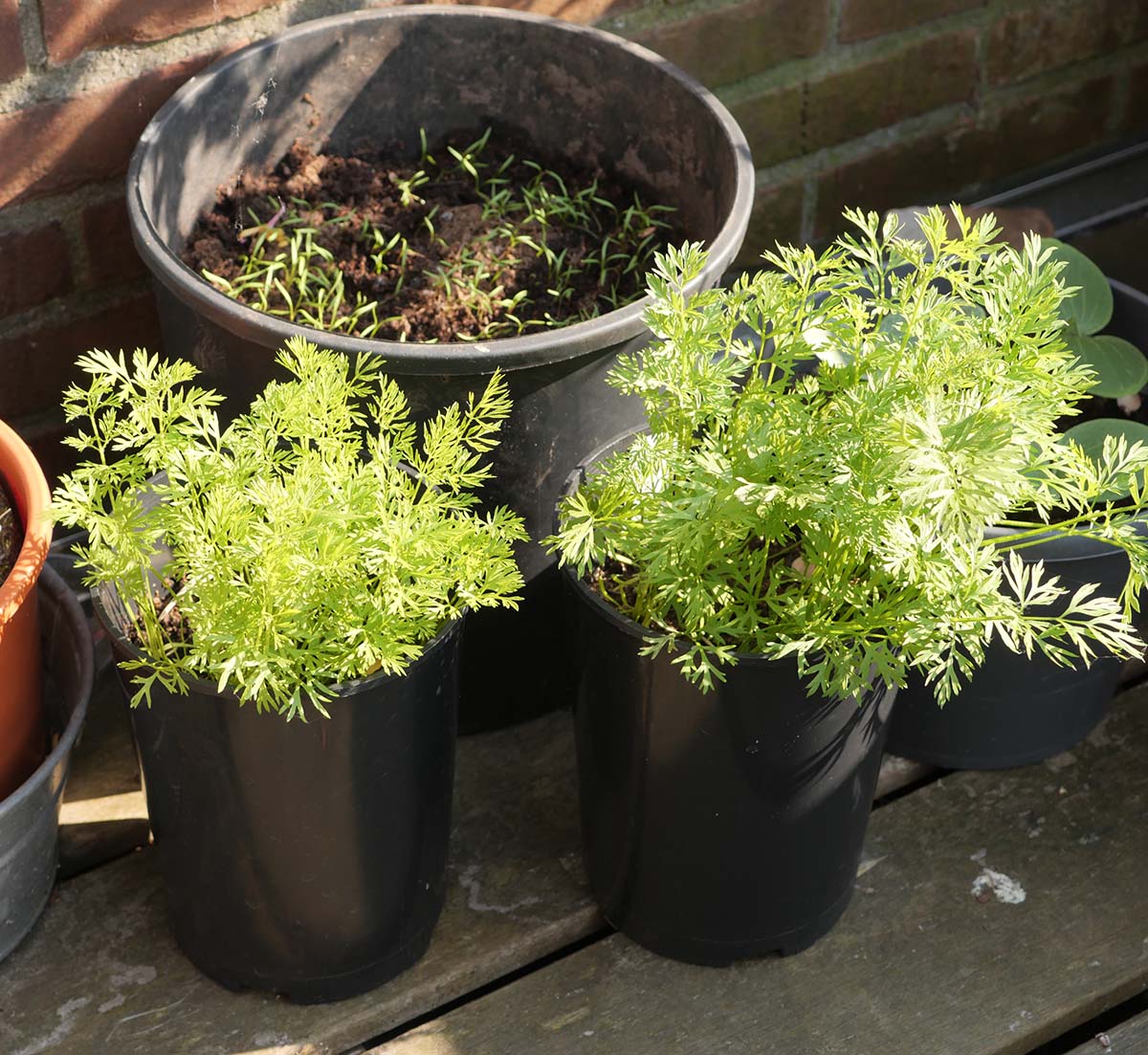
A staple vegetable in any garden are the popular and vitamin-A-rich Carrots. Carrots are used in many recipes all over the world.
If you are planning on growing carrots this July, then do should consider planting them in a raised garden bed. This type of environment will perfectly complement the requirements of carrots, a root vegetable, especially if you prefer them a specific size for all your favorite recipes.
I’m experimenting with planting carrots in deep pots this season, after my dad saw success the previous two years. I’m growing Nantes, Sugar Snax and Harlequin carrots, so I’ll be sure to report back on how they turn out!
Chards
A nutrient-rich green leafy veggie chard which makes another excellent choice for July gardening. Chard is a relatively easy and beginner friendly vegetable that you should definitely have a go at growing in your garden, if you enjoy the flavor of course!
The perfect environment for chards to produce the best quality harvest is in a full-sun exposed, nutrient-rich, moisture-retentive, and free-draining soil.
Chard complements other vegetables in your garden, such as chives and garlic, which makes it a great companion plant for those two equally tasty veggies.
If you’re looking for an aesthetic reason to grow chards, how about the fact that its colors can range from pink, green, yellow, and orange? As a strictly ornamental plant, chard has got you covered.
Kale

Kale is typically associated as a cold-weather crop due to it being a hardy vegetable, but it is also best sown around mid-summer to provide a top-tier harvest.
While bolting is a concern, it is important to remember that newly seeded kale poses an extremely low risk of bolting during the hotter season.
Another reason why midsummer is an excellent time to sow kale is that the sunny weather will allow it to establish and further enhance its resiliency once winter hits.
Legumes
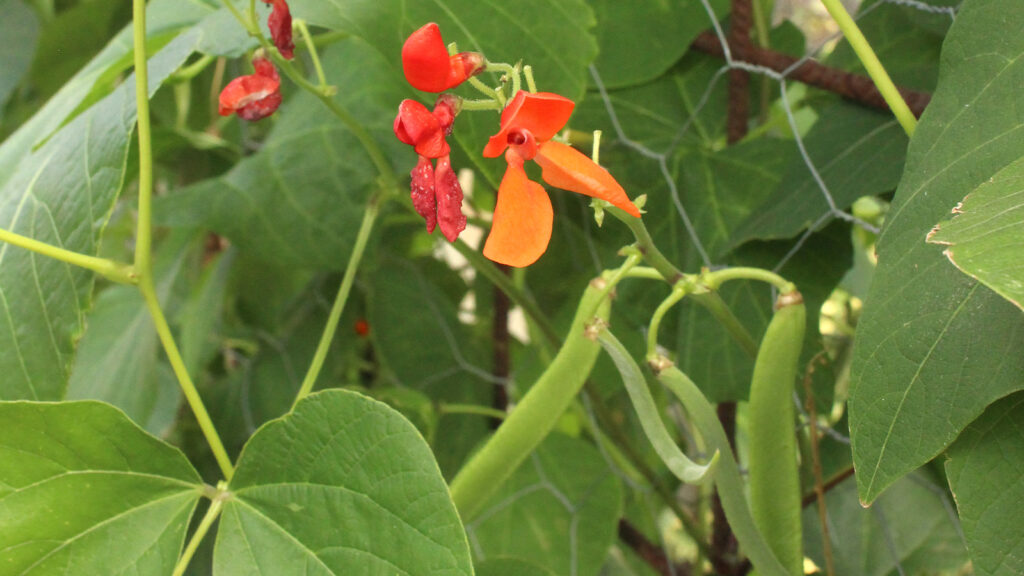
Legumes are among the first on the list when prepping your gardening calendar. Legumes are the best choices to plant at the start of July. Dwarf variations of some beans can even be sown before July, but don’t expect the short stack variety to last for more than a few weeks.
One particular legume variety that is usually recommended are French beans (Phaseolus vulgaris) which are low-maintenance veggies that only need sunshine to thrive, and so planting them at the peak of summer will do well for their development.
Some tips when growing legumes in July, specifically the French beans, is to plant them in a spot with the most sunlight daily. Also, ensure the soil is well-draining, and topping it off with some compost won’t hurt either.
Pak Choi
Are you looking to add a little oriental flavor not only to your garden but to your recipes as well? Why not think about growing pak choi (a.k.a. Chinese cabbage) in your garden?
This delicious leafy vegetable will need perfect timing as sowing pak choi too early might cause your crop to bolt – ask me how I know this? Therefore, July or summer is the best time to plant these Chinese cabbages to optimize their growth potential.
Start sowing your pak choi in July, ensuring that they get lots of sunlight and water. If you make sure to water your batch of pak choi regularly, you can expect them to grow and bulk up, ready for harvest. I also recommend that you keep the number of pak choi in your garden within a specific limit to prevent overcrowding.
Pak choi is typically ready for harvest about a month after sowing, but if you wish to wait until they are fully mature, you should wait until around the 10th or 11th week to harvest.
Parsnips
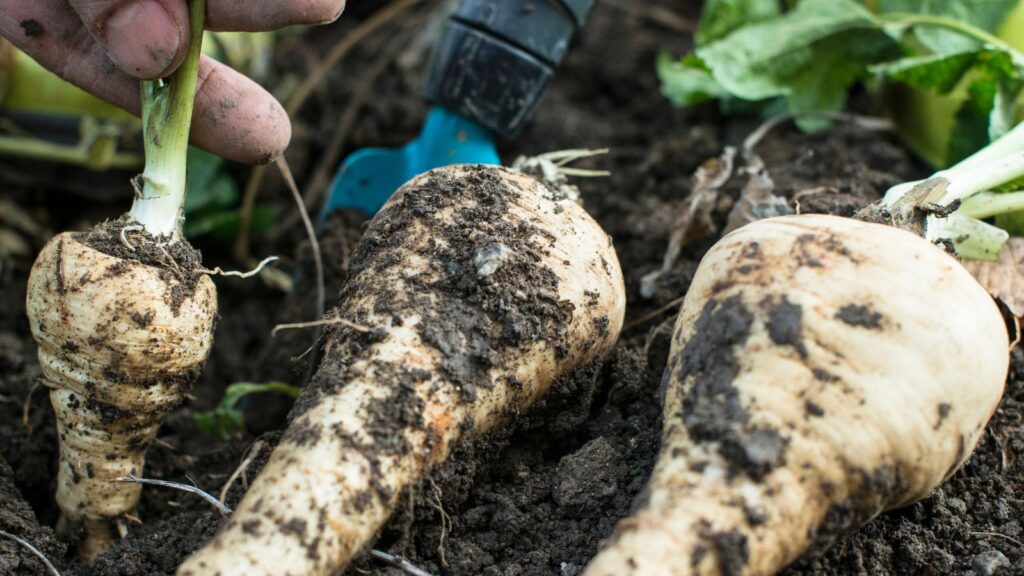
A relative of carrots, parsnip is an often overlooked root vegetable with multiple applications in the kitchen and will undoubtedly enhance the flavor of any recipe. Parsnips unfortunately do take more effort to grow than its more popular orange cousin. To ensure the best tasting harvest by October it is best to start planting your parsnips around July.
If you live in an area classified as Zone 6 or colder, it is suggested to let the parsnip endure the frost, as it is proven that the cold weather can trigger the roots to develop a sweeter taste. However, be wary not to leave your parsnips underground once the soil completely freezes, as you’ll have a very hard time getting them out of the cold and frozen ground!
Turnips
Planting turnips in July tends to yield the sweeter salad turnip rather than the purple-colored ones that are a staple in many traditional stews. July gardening calendar turnips mainly center around Japanese varieties such as the Tokyo or Hakurei turnip. You can easily distinguish this variety with its tender, juicy, yet oddly crisp texture.
Japanese Tokyo turnips are best planted during the peak summer days of July and can be harvested by the 40th day. When planting turnips, place them somewhere with adequate shade, and make sure to install insect nets around your crop, as they are also a favorite snack for a wide variety of bugs.
What Fruits Do I Need To Plant In July?
Summer is always a great time to start expanding your garden’s population. Among the vast selection of vegetables, there are also a number of fruits that can also be planted in July.
Listed below are some of the fruits that you need to plant in July.
Cucumber

Let’s start this list with a somewhat controversial fruit (or is it a vegetable?), the cucumber! Based on the botanical classification, cucumbers are indeed fruits. However, if we are to check the culinary category description, cucumbers are regarded as vegetables. Well, whatever you would like to classify it as, one thing is sure, cucumbers are an excellent choice for July gardening.
Not only are they easy to grow (making them a great fruit for beginner gardeners!) but they must be planted in full sun with well-draining soil with at least 2 inches of space between each seedling.
Cucumbers will be ready for the pickings within 50 to 100 days after planting. It is suggested that you start harvesting once the cucumbers are green and firm and gather often to encourage more production.
Melons
Sweet, refreshing, and packed with vitamins, melons are among the staple fruits during the summer season. Melons typically mature 11 to 14 weeks after planting. Living in warmer regions, you can plant seeds in the open under full sunlight and well-draining soil. For those in cooler climates, you should begin the process indoors and only transfer melon seedlings outdoors once the temperature picks up.
You can harvest melons once they have fully developed. Once the melon fruits develop that signature yellow net pattern texture they are ready to be harvested.
Watermelon
Watermelons are best planted in late spring or early summer, a summer staple fruit that provides a refreshing snack during the blistering summer days. Watermelons are succulent and delicious and packed with lycopene (2nd only to tomatoes).
Watermelons will be ripe for picking around the 10th to 12th month after initial planting. You can tell that the watermelon is fully matured once the curly tendrils on the stems turn into a shade of brown and dry up.
What Flowers Should I Plant In July?
Let’s finish off this July gardening recommendation with a list of aesthetically pleasing flowers to complete your garden’s ambiance. Ideally, July is the time for quick-blooming wildflowers to take center stage since they can bloom within weeks. So here are some of the best flowers you should plant in July.
Moss Rose
Moss rose is a tough succulent flowering plant that works great as an edging plant that can act as a border for your garden. Moss rose can bloom all summer long and is incredibly resistant to heat and drought, making it a relatively easy flower to grow during July or peak summer. In addition, you can grow moss roses on hanging pots or beds to give them a draping appearance.
Pentas
Pentas are tender perennial plants that bloom to their fullest during summer with varying colors of purple, pink, and white. Besides enhancing the aesthetics of your garden, pentas are also fantastic pollinator flowers that will attract a wide variety of wildlife, such as bees, butterflies, and even hummingbirds!
Give pentas plenty of sunlight, at least 6 hours per day, and place them in well-draining soil. They aren’t picky regarding soil type meaning they can be planted anywhere in the garden.
Zinni
Colorful and a survivor, zinnia flowers can inject your garden with a flush of new colors as it blooms with petals that range from bright red, orange, and hot pink. Besides enhancing your garden with vivid colors, zinnias are extremely tough and low-maintenance flowers that can survive independently, without any help from the gardener.
Alrighty, that’s July’s gardening plan out the way, I’ll see you back here ready for August!


