

How to Grow Strawberries from Seeds
Who doesn’t love a fresh strawberry picked straight from the garden plant? Strawberry plants are a great addition to any garden with their sometimes sour yet mostly sweet and refreshingly flavored fruit ripening before your eyes.
We all know that they are the perfect treat during the hot summer days, like the ones we’ve been experiencing this year.
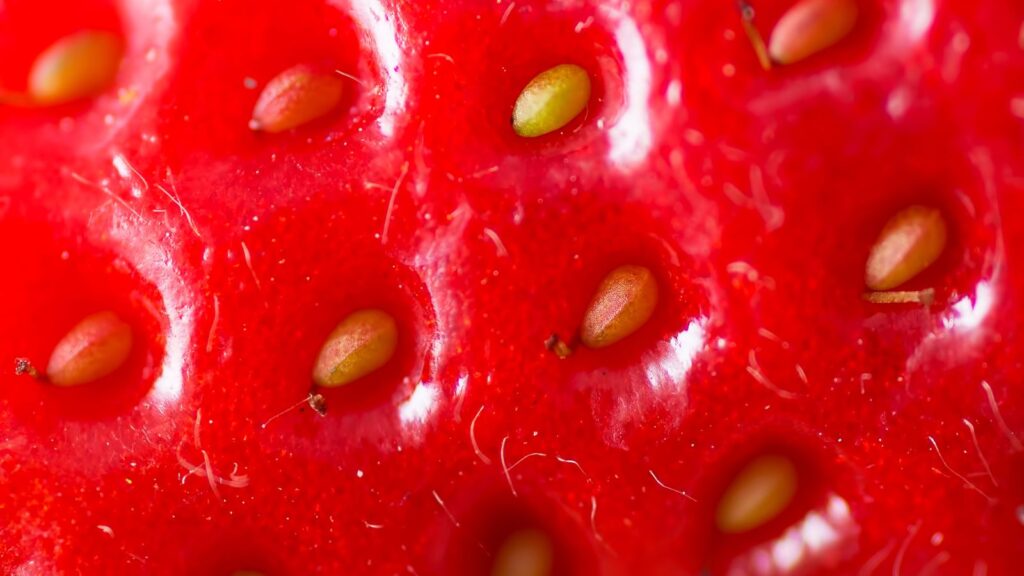
However, growing these tasty fruits from the strawberry seed itself can quite be tricky, which is why most people buy strawberry runners when starting out. On top of that there are different varieties of strawberries to choose from as well – some people might prefer the small and sweet wild strawberries, while others might love the large and juicy jumbos.
In this article, we will explore the different types of strawberries and learn more about their unique flavors and textures. We will also discuss how to grow strawberries from seed so you can enjoy homegrown strawberries straight from the garden! So, put on your gardening gloves and let us get started!
Different Types Of Strawberries
We should start by touching on the two main types of strawberries that can be grown in a home garden.
Wild Strawberry
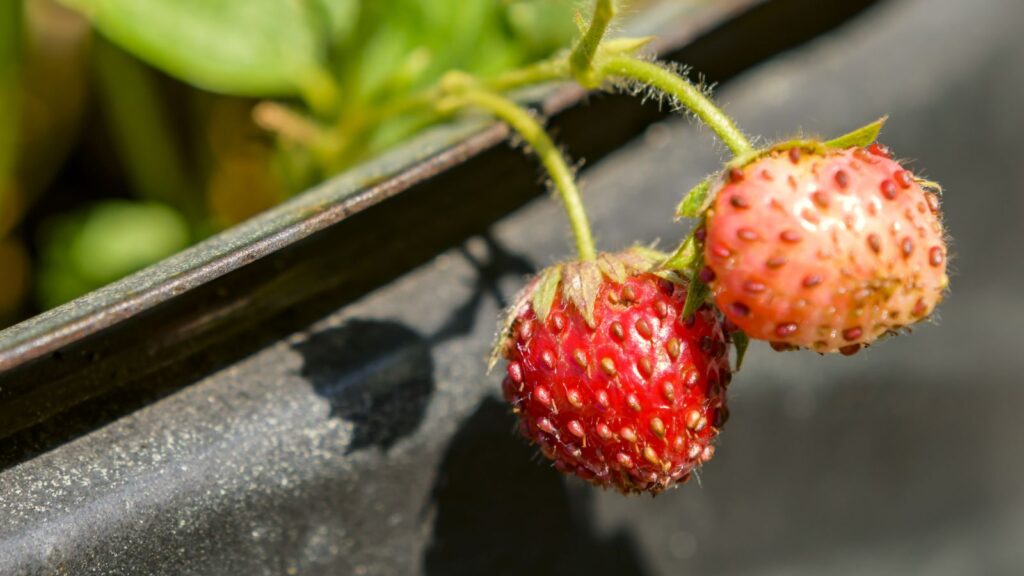
Wild strawberries (Fragaria vesca) but also known as alpine or woodland strawberries, are a species of wild strawberry native to Europe, Asia, and North America. Unlike their relatives, the alpine strawberry is not usually found in grocery stores or farmers markets. Instead, they are often grown in home gardens or picked in the wild.
Wild strawberries are smaller than other types of strawberries. They also have a more delicate flavor that is often described as being sweet with hints of lemon or pineapple. In addition to their culinary uses, wild strawberries are also grown for their attractive white flowers. Whether you enjoy them fresh or use them as decoration, alpine strawberries are a unique and versatile plant that grow well in the shade.
The Strawberry
Funnily enough, the ‘other’ strawberry type is a cultivated one for growing the garden, but there are varieties of it which are then classified as june bearing, ever bearing and neutral. More on them below!
When Should Strawberries Be Started When Sowing from Seed?

Before picking up a pack of strawberry seeds at your local garden center, knowing three basic types of strawberry plants is best. These are:
- June bearing – crop once per year, usually as the name suggests in June
- Ever bearing – will produce strawberries once there are 10-12 hours of daylight per day, though they do limit to one or two crops only of smaller strawberries
- Day neutral – flower and fruit when temperatures are between 35ºf and 85ºf
It is advisable to consult with your local garden expert to know which strawberry plant variety is best suited for your area. That said, June-bearing and day-neutral strawberries are best planted in the months of March and April, when the climate is between the transition period of spring and summer. The still slightly cooler weather will give the strawberry seed enough time to establish itself before the hot summer days arrive.
As for everbearing strawberries, it is best planted during fall, specifically between September to October. This will allow you to harvest everbearing strawberries once spring rolls into the picture. Also, ever-bearing strawberries should be planted individually.
Strawberries can be a bit nitpicky regarding when they should be planted. However, as a basic rule of thumb, if you live in a warm climate region, you should plant strawberries during the fall season, while spring is the ideal time to grow if you live in a colder area. Also, ensure not to plant strawberry seeds too deep as the growing bud requires sunlight to sprout correctly.
Additional Tip: Keep your strawberry seeds in the freezer for at least four weeks to spur germination.
Garden or Pots: Best Spots for Growing Strawberries
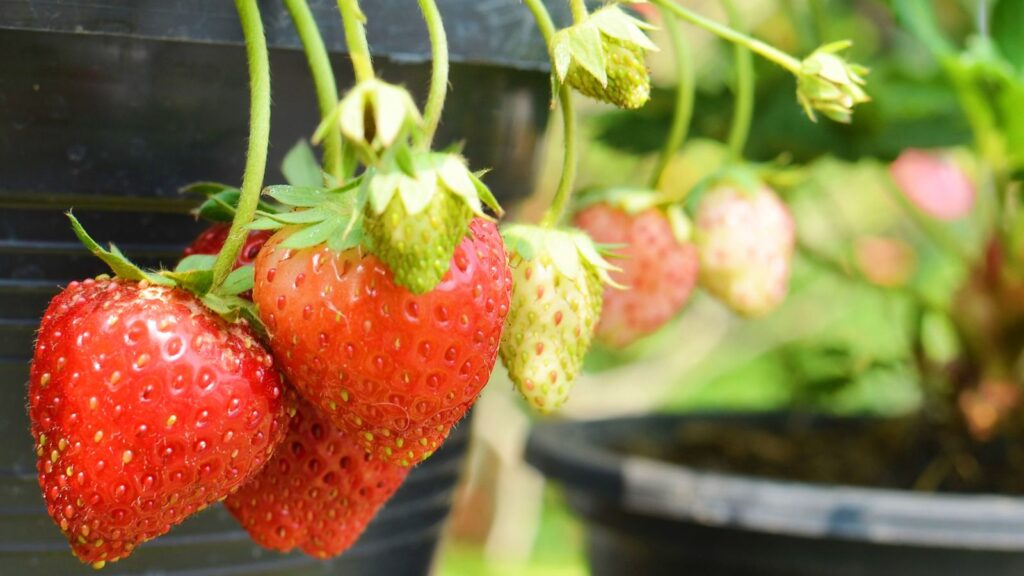
Another common question regarding how to grow strawberries from seed is where they should be planted. Whether it is best to grow strawberries in the garden or a pot, the consensus is that the ground is the best option for long-term growth.
Of course, pots are still a viable alternative since you can optimize their sunlight exposure, but strawberries planted in pots tend to have a considerably shorter lifespan, and the smaller the pot the smaller their lifespan too.
The benefit of planting in pots is that you can always bring your strawberries under cover on those very chilly nights for extra protection while growing in the ground means you can guide any runners along the bed.
How to Grow Strawberries from Seed?
Of course, creating the most hospitable location for your strawberry seed will be the most significant factor in the equation. Soil with a pH of 6 to 6.5 is perfect for strawberries, so make sure to mix in some quality organic compost to meet this requirement.
Additionally, ensure at least 1 foot of space between every seed to allow them plenty of room to grow and spread their roots. Finally, consider installing artificial light about 4-inches away from the seedlings if sunlight is not always available.
How to Care for Strawberries
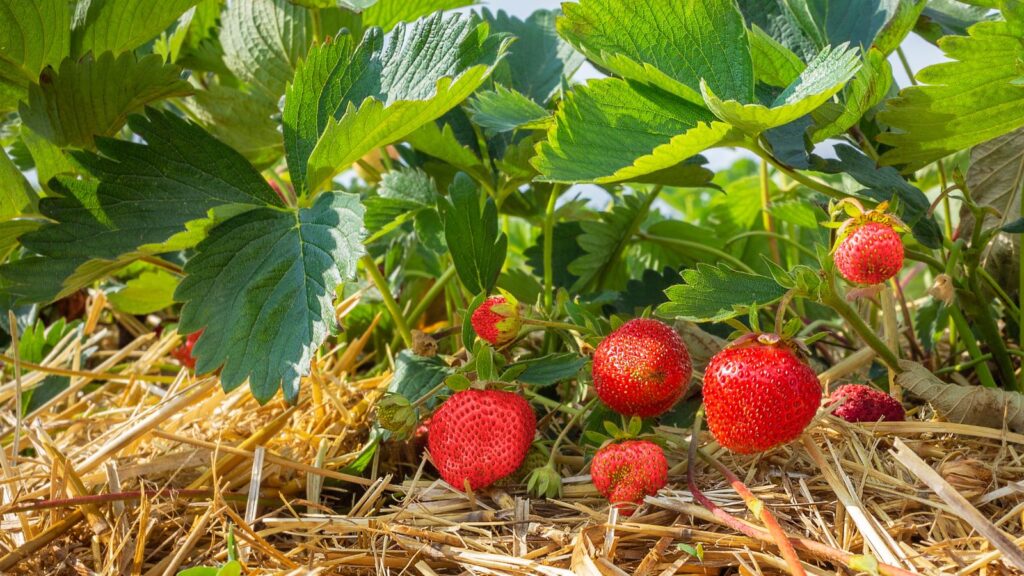
Proper care must be administered for your strawberry seedlings to grow to their full potential. The process of how to grow strawberries from seed will hinge on the care it is given. Caring for strawberry plants will entail going the extra mile, but it will be worth it in the end.
Ensure that the soil is mixed with quality fertilizer and regularly watered (check the soil moistness every day before watering) and remember to remove all the blossoms from the plant during its first growing season; once the first round of blooms is removed, the plant will start producing strawberries.
When is it Good to Harvest Strawberries?

The strawberry season has a surprisingly short window opening, so it is essential to understand the best time to harvest so that you can avoid having your strawberries go to waste. Be ready once the plant starts blooming, as it typically provides a 4 to 6 week window opening.
Only begin harvesting your strawberries when they achieve their signature bright red color. A new batch will reach full ripeness every three days afterward. It is highly recommended to cut by the stem when harvesting so as not to damage the plant.
A final piece of advice when harvesting strawberries is to do so during the afternoon, as this is the point when the flavor is at its peak concentration. When storing, it is best to place them in an area with a cool room temperature. Storing strawberries in the refrigerator will decrease their sweetness.
Growing strawberries from seeds can be a fun and rewarding experience, but it is important to remember some key tips for success. Make sure to plant your seeds in soil that is rich in organic compost and has a pH of 6 to 6.5. Also, give your plants plenty of space to grow by planting them at least 1 foot apart. And finally, be sure to water and fertilize regularly; remove all blooms during the first year of growth; and harvest when the strawberry achieves its bright red color. By following these simple steps, you will ensure a bountiful harvest come strawberry season!


