Are Soil Mites Harmful To Plants (Indoors And Outdoors)?
Sometimes called turtle mites, but most commonly known as soil mites, these teeny, tiny – microscopic? – arthropods are often thought of as a plant pest, but are they really?
And what should you do if you find them in your garden or indoor plants?
Let’s dive into what this little creature is, where they come from and whether they are really friend or foe for you and your plants, indoors and out!
What Are Soil Mites?
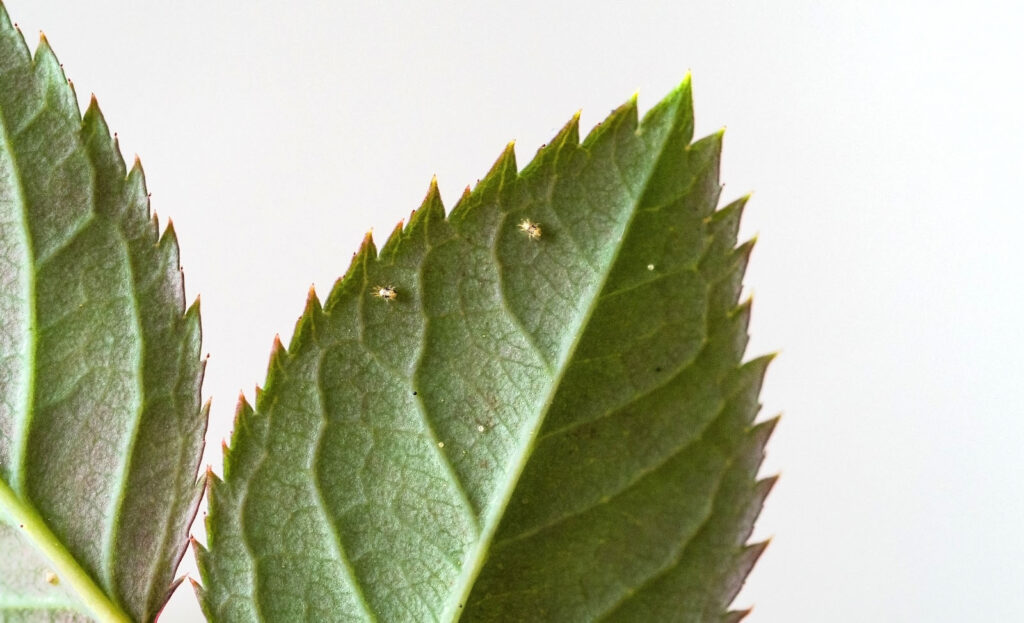
Acari, commonly known as a soil mite, is a member of the chelicerate arthropod family – making it a relative of the spider. Due to their appearance and preferences for living in plants, the most common concern of gardeners is whether these tiny insects can damage their crops.
So, are soil mites harmful to plants? The short answer is no. In fact, these mites are generally seen as beneficial to the garden. Even though they are the most common micro-arthropods, noticing them is easier said than done. They are so small that you need to use a magnifying glass to spot them around your plants.
Now, back to why soil mites are categorized as beneficial arthropods. First, these little critters help break down organic matter from dead leaves, fungi, and other natural substances in the soil. They also feed on other harmful organisms that may damage plants, such as nematodes and bacteria.
The most common soil mites you will encounter will be either white or brown in color and will measure around only a millimeter in length. Yep, that’s why you’ll struggle to spot them! The lifespan of one of these arthropods is quite impressive for something so small, as they have an average lifespan of four to seven years max.
Currently, there are over 20,000 known types of soil mites worldwide, and scientists believe that the total number might be closer to 80,000. Talk about variety.
Where Do Soil Mites Come From?
Soil mites are prevalent almost everywhere you look. Take, for example, one of your garden pots. Chances are there are over 1,000 of them within that small container with up to a hundred different types of that species. Mindblown? Me too!
And these mites come from anywhere. The most common variety is the oribatid or ‘turtle mite’ due to its box-shaped body with flaps on the sides that can close for protection. Where they originated from is currently unknown, as they are literally everywhere. As long as there are organisms they can feed on, you can bet soil mites are present.
Are Soil Mites Harmful To Plants?
This is a hard categorical no! Soil mites are not harmful to plants and can even improve the quality of your soil, leading to healthier flora and garden. In fact, you should take your magnifying glass and check around your garden to see if any are scrounging around. Why? Because the presence of soil mites is a good indicator that your soil is pretty healthy.
Now, if there are any downsides to these helpful little garden critters, it’s that they can carry parasites and bacteria like many other living organisms. However, this is only a risk if you don’t wash your hands properly after gardening. So, basically, it still isn’t much to worry about for those who follow proper hygiene. Which we do. Because we’re senseible. Right?
Overall, soil mites are not harmful to plants and humans in general and you also don’t need to worry about soil mite bites as there is no evidence of soil mites biting humans. Phew!
What Is The Difference Between White And Black Soil Mites?
As stated earlier, there are many thousands of different soil mites that you can encounter. The most commonly found in both the garden and in potted plants would be the white soil mite or the mesostigmata variety.
White Soil Mites
White mites are soil-loving types that feed on anything with a cuticle. Barely visible to the naked eye, they are entirely harmless to plants and can help break down fungus and algae, which transform into nutrients for the soil, and in turn, for the plants.
While relatively harmless to plants, they can be a bit distracting regarding houseplants and leave visible traces on the soil surface that are not exactly aesthetically pleasing. You might notice the houseplant soil on a potted plant is a tad euw, but these tiny white bugs will do their best to keep your soil healthy.
Black Soil Mites (a.k.a. Black Spider Mites)
There are also black soil mites or black spider mites. These are just as small and virtually impossible to see with the naked eye but compared to their white counterpart, the black variety will feed on plant sap and over time will cause damage to your plants.
How To Tell the Difference
While white soil mites can often be seen rummaging around the compost line and nowhere near the plant itself, while the black soil mite feeds on the foliage and they can mainly be seen on the leaves. While black soil mites can also facilitate the decomposition of dead leaves, they also bring the risk of transferring bacteria and viruses from one plant to another.
Black soil mites are slightly easier to spot than white ones, but you will still need a magnifying glass to conclude whether it is a black mite or another insect.
Basically, white soil mites = good, and black soil mites = are (relatively) bad.
Therefore, if ever you find black soil mite infestation in one of your potted plants, it is best to isolate it away from your garden and wash it thoroughly with water. Next, spray the plant with an insecticide to eradicate the adult black soil mites and their eggs. Here is a quick homemade solution you can make.
Black Soil Mite Homemade Insecticidal Soap:
- 1 tsp. of liquid castile soap
- 2 tbsp. of neem oil
- 1 gallon of water
Mix all three ingredients well and spray them on your garden once a week for three weeks.
How Do I Know If I Have A Mite Infestation?
As you have probably already surmised, determining if you have a mite infestation in your garden can be tricky. On top of that, the most obvious visual signs will usually mean that the damage has already been done to a severe extent.
While most common soil mites are harmless to plants, some types can be considered pests, such as black spider mites. The beneficial types are found around your potting soil, which is akin to finding a needle in a haystack in terms of difficulty. They are almost microscopic, and you must focus on finding tiny white or brown dots moving around the soil.
As for black spider mites, the telltale signs will be visible on the plant itself. Tiny holes, wilting, leaves turning yellow, and webbing traces indicate that you might have a black spider mite infestation on your hands.
All in all, soil mites, in general, can be tricky to find. Rest assured that your garden will have thousands of them scurrying around. The real question you need to ask is whether the soil mites that you have are the good ones or the bad ones.
Should I Try To Get Rid Of Any Soil Mites In My Indoor And Outdoor Plants?
It depends. In most cases, soil mites won’t cause any bother to your crops. In fact, they can even help keep the soil healthy and, in turn, your plants. The only reason you should get rid of beneficial soil mites is if their population explodes to the point that you can see them moving around in the soil. However, reproducing soil mites takes a bit of time, so this scenario is pretty much impossible.
In general, you can leave the soil mites to do their thing. If it’s not broken, don’t fix it. The benefits of soil mites are highly welcome in any garden as they process harmful materials and transform them into natural fertilizers.
On the other hand, black spider mites are a different ball game altogether. If these buggers have infested your plants, getting rid of them as soon as possible is the best approach.
How Do I Get Rid Of Soil Mites?
If you genuinely wish to get rid of soil mites or if you found out that the problematic types have infested your garden, then there are several methods that you can incorporate to diminish your spider mite population. I will list some of the best ways to get rid of soil mites without leaving any adverse side effects on your garden.
1. Repotting
The simplest way to get rid of soil mites for those with a potted garden is by transferring the plant to a different pot with new potting soil. Carefully remove the plant from the container and wash it thoroughly to rinse any remaining dirt before placing it into another container. You should put the old soil into the compost bin to enhance the natural composting process.
2. Utilizing Strong Natural Scents
As with many insects, soil mites are also quite sensitive to strong odors. For example, garlic is an excellent insect deterrent. You can make your pungent garlic solution by taking a couple of garlic cloves and putting them inside a gallon of water. Let the mixture sit for at least four days, remove the garlic cloves and spray the odorous concoction on the soil.
If you don’t like the smell of garlic, you can also use cinnamon as a more sweet-scented alternative. Mix a tablespoon of cinnamon powder in a gallon of water and spray both soil and plant thoroughly.
Using a strong natural scent is the preferred method as it won’t kill the soil mites but will instead encourage them to move to another spot.
3. Hydrogen Peroxide
The last option would be the complete eradication of all soil-borne insects. Besides insecticides, one of the full-proof items to use is hydrogen peroxide. Hydrogen peroxide is available at your local drugstore and is considerably cheaper than commercial pesticides. However, do not apply more hydrogen peroxide than necessary, as it can damage the plant.
You’re now equipped with three possible solutions to any soil mite population you may find in your plants. With outdoor plants, I’d just leave them to it, but indoor plants I’d be inclined to remove the more pestle ones, to keep my plants nice and healthy.
Have you ever encountered mites in your plants? What was your solution, it may help other readers with their mite-y struggles!