How To Keep Pigeons From Eating Your Plants
It’s a beautiful day, and you’ve decided to spend it in your garden. You plant some vegetable plants, water them, and sit back to enjoy the sunshine. But before long, you notice something is eating your plants – pigeons!
While they may seem like harmless birds to most people, for gardeners, pigeons are nuisance birds and can be a real pest when they start to eat the plants in your garden causing quite a lot of destruction and damage if left to their own devices.
I’ve noticed pigeons hanging about close to my roof terrace garden and while they do fly off quick sharp when I appear, I can’t actually be sitting in my garden all day every day as a deterrent.
Thankfully, there are other ways to stop them.

What Are Pigeons And What Do They Eat
Pigeons are a type of bird that are commonly found in urban areas. They were prolific in the London neighborhood that I lived in and they are pretty common in the city where I currently live.
They are known for their scavenging habits, and will often eat whatever they can find including garbage, insects, and even small animals.
Unfortunately, pigeons can also be a nuisance to gardeners as they will often eat the leaves and flowers of plants. I’ve even spotted them loitering around my tomato plants too, perhaps because the ledge makes it easy for them to snaffle the tomatoes when I’m not looking.
Why Are Pigeons A Nuisance To Gardeners?

Pigeons are attracted to ripe fruits and vegetables, and they can quickly strip a plant of its leaves, buds, and flowers. They’ll also happily devour anything ripe on your fruit trees.
In addition, pigeon droppings can damage plant life and promote the growth of fungi and bacteria – nasty!
There are a few simple ways to keep pigeons from eating your plants and we’ll dig into them now.
6 Ways To Keep Pigeons From Eating Your Plants
Let’s look at a few things that you can do to keep pigeons from eating your plants, and the solution you opt for will really depend on the type and size of garden that you have.
1. Raise Your Plants Up
If you are someone who has their veggie plants in a garden bed, you can first of all try trimming your plants so that they’re not as easily accessible – this works to raise up the plant and as pigeons are usually attracted to plants that are low to the ground, raising them up in this way may help keep them at bay.
You could also plan to raise your garden beds for next year, leaving no ‘walking’ or ‘perching’ space for the pigeons.
For those with plants in pots, keep them away from any ledges that pigeons can perch on to scoff your plants!
2. Taste Repellents
Taste deterrents are a great and natural way to keep pigeons at bay. Try spraying your plants with a mixture of water and vinegar, which will make them less appealing to pigeons. Another taste deterrent is hot sauce which can work well by making your plants unappetizing to the birds without causing them any harm.
3. Use Bird Netting Or Chicken Wire
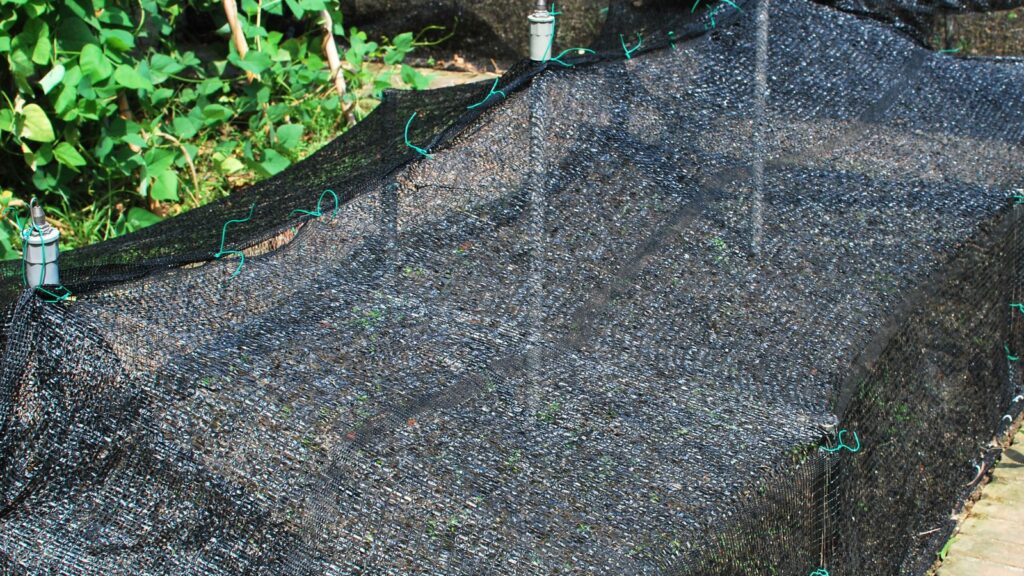
One of the most effective ways to keep pigeons at bay is to use a net. By covering your plants with bird netting, you will create a physical barrier that pigeons cannot penetrate.
For bigger areas, chicken wire also works well though it is more unsightly I know, and you can also protect your tomato plant with tomato cages.
4. Scare The Pigeons
You can also deter pigeons by using a scarecrow or plastic owl, or you can try using other visual deterrents such as Mylar balloons, a wind chime or shiny objects. These will reflect light and movement, making the area less attractive to pigeons.
Alternatively, keeping cats in your garden can work well too – my European shorthair cat is a natural pigeon deterrent and likes to sit in the garden and chatter away at any bird, pigeon or other, attempting to land near my veggie plants!
5. Bird Spikes
The effectiveness of bird spikes in keeping pigeons away is limited to where they are used, but I have seen many determined pigeons get past a bird spike before.
6. Provide Other Food Source
Another – controversial? – option is to provide an alternative source of food and water. While it won’t completely prevent birds from eating your plants, if there is another source of food available in feeders, and water in a bird bath, they may be more inclined to leave your garden plants alone. Maybe.
With a little effort, you can keep your plants safe from these pesky birds.
What Are Some Tips For Keeping Pests Out Of Your Garden?

Of course, pigeons are not the only pest that might be eating your plants. Other garden pests that like to sneak around and scoff your plants include rabbits, foxes and deer – this depends on the location of your garden of course!
Here are a few tips to keep these other pests out of your garden:
- Use fencing: A fence is a physical barrier that can help keep animals like deer and rabbits out of your garden.
- Plant deterrents: Some plants, like marigolds, can act as a natural deterrent to pests. The strong smell of the marigold is off-putting to many animals and can keep them away from your other plants.
- Keep your garden clean: Removing dead leaves and debris as well as keeping the area around your garden free of weeds and tall grass can help to keep pests out of your garden
You should also take care to inspect plants before bringing them into your garden – assuming you’re not growing yours from scratch of course – as some pests can hitch a ride on new arrivals.
Finally, it’s important to get to know your local ecosystem and what types of pests are common in the area.
So, there you have it! Some simple tips for keeping pigeons away from your plants. By using a combination of methods – such as raising your plants up, spraying them with vinegar, or using a net – you can keep these pesky birds from eating all of your hard work.
And remember to get to know your local ecosystem and what types of pests are common in the area; that way you’ll be prepared for any invaders!
If you’re planting veggies such as radishes or cabbages, keep an eye out for the pest known as the cabbage white caterpillar!